
June 29, 2026
Acture Hires Karima van Zadelhoff as CXO
News, Press Release

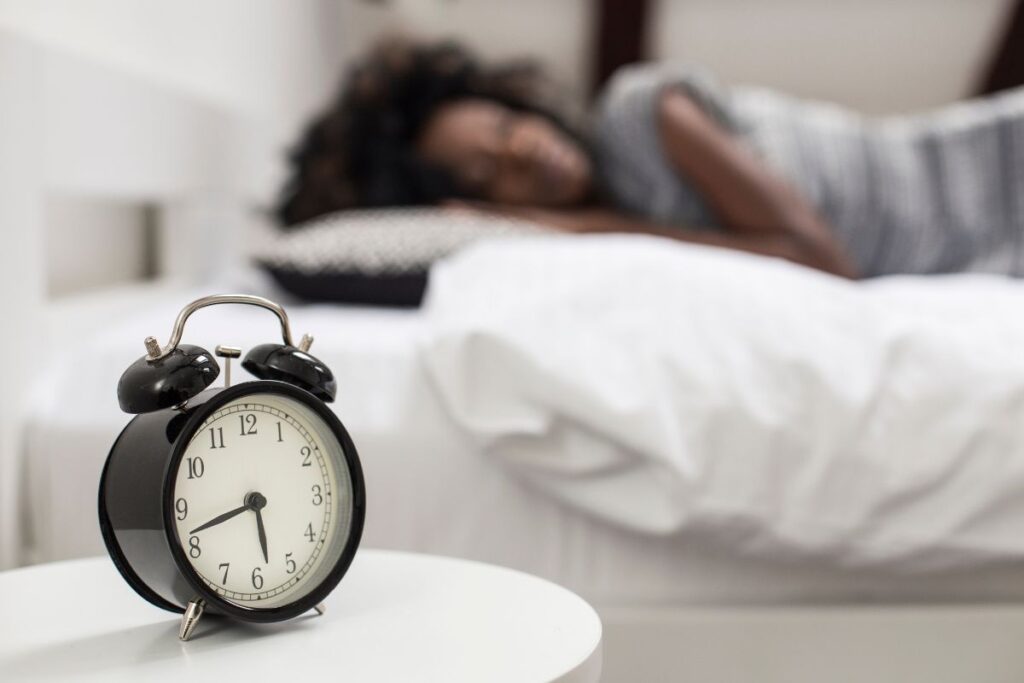
Sleep and health go hand in hand—and yet sleep is something many people take for granted. New figures from the Danish Health Authority show that more Danes are experiencing sleep problems, and experts say this is a cause for concern. Lack of sleep can have major consequences for people’s overall well-being, which is why there are now new recommendations on how much sleep we should get each night.
When there never seem to be enough hours in the day, it’s easy to put sleep on the back burner. But if you regularly cut back on the sleep you need just to squeeze more activities into your day, you should think twice.
Studies show that many of us aren’t getting the amount of sleep we need. This not only leaves us tired and listless—it can also have serious long-term consequences for our health.
So the next time you’re thinking about staying up a little later to watch another episode of your favorite show, or working late into the night, remember that your body and mind need rest to function at their best.
The latest sleep guidelines from the Danish Health Authority are based on extensive data on the sleep habits of Danes. The Danish Health Authority now recommends that adults between the ages of 18 and 65 get between 7 and 9 hours of sleep each night—though individual needs for more or less sleep may vary.
Statistics show that in 2023, 64% of adults aged 18 to 64 slept the recommended 7–9 hours each night. In contrast, 32% slept less than the recommended 7 hours, and 4% slept more than 9 hours.
For those over 65, the figures were different; only 38% got the recommended 7–8 hours of sleep, 35% slept less, and 27% slept more than recommended.
The trend was also concerning among schoolchildren. About one in ten fifth-graders slept eight hours or less per night, and this proportion rose to about two-thirds among ninth-graders. In addition, more girls than boys in fifth, seventh, and ninth grades reported poor-quality or restless sleep several times a week.
A large proportion of young people aged 16 to 24 reported that screen time was a primary reason why they did not feel well-rested. That is precisely why the Danish Health Authority now recommends considering going to bed earlier and turning off screens after bedtime.
Factors such as work pressure and our digital presence can push sleep down the list of priorities. Many of us are tempted to cut back on sleep in order to achieve our goals, or because we’re afraid of missing out on something happening online. However, this can have serious consequences for both our physical health and mental well-being.
The 3 S’s— Sleep, Stress, and Health —are often mentioned together—and that’s no coincidence.
Lack of sleep has been linked to everything from increased stress and a weakened immune system to a higher risk of chronic diseases such as cardiovascular disease and diabetes. A good night’s sleep is therefore not only important for feeling rested—it is also essential for maintaining your health.
Do you have trouble sleeping at night? Then read our 10 tips for a better night's sleep.